
Dental Bridges Fabrication
Services

How Can We Help
If you need any helps, please feel free to contact us.

Dental Bridges Fabrication
Restore missing teeth with strength, balance, and natural beauty.
At our Dental Laboratory, we specialize in fabricating high-quality dental bridges that restore function, stability, and aesthetics. Each bridge is meticulously crafted using advanced materials and precision technology to ensure a natural look, comfortable fit, and long-lasting durability. Our goal is to help patients regain their confidence and enjoy a complete, healthy smile.
Why Choose Our Dental Bridges?
- Precision Fit - Designed to match the patient’s unique bite and tooth alignment.
- Natural Appearance - Crafted with lifelike materials that mimic natural teeth.
- Durable Construction - Built with advanced ceramics and metals for long-term performance.
- Seamless Integration - Bridges blend perfectly with surrounding teeth for a flawless smile.
- Collaborative Approach - We work closely with dentists to ensure optimal fit and function.
Types of Dental Bridges We Provide
- Traditional Bridges – Supported by crowns on adjacent teeth for strong, reliable support.
- Cantilever Bridges – Ideal when only one adjacent tooth is available for anchoring.
- Maryland (Resin-Bonded) Bridges – A conservative option using minimal tooth preparation.
- Implant-Supported Bridges – Designed for maximum strength and stability without affecting nearby teeth.
Our Process
Case Analysis
We evaluate the dentist’s impression, scan, or digital file to plan the bridge design.

Bridge Design
Using CAD/CAM technology to create precise digital models for accuracy and fit.
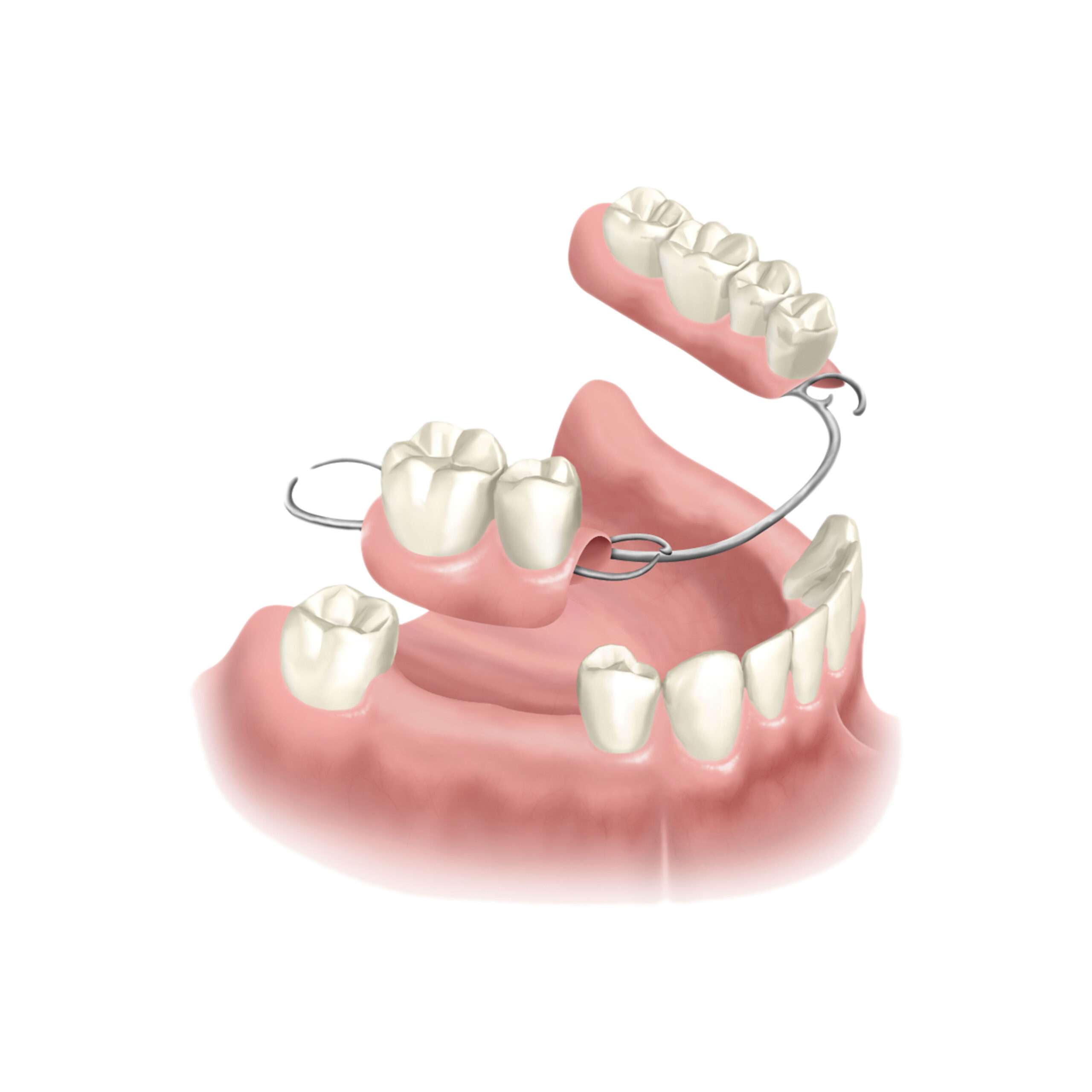
Fabrication
Bridges are milled, layered, and finished using high-grade materials for strength and beauty.
Quality Check
Every bridge undergoes a detailed inspection for fit, shade, and overall finish before delivery.
Who Can Benefit from Our Dental Bridges?
- Patients missing one or more teeth.
- Individuals seeking a stable, non-removable alternative to dentures.
- Patients wanting to restore full chewing function and speech clarity.
- Those looking for a natural, aesthetic replacement that enhances their smile.
Frequently Asked Questions
What is a dental bridge?
A dental bridge is a fixed restoration used to replace one or more missing teeth by anchoring artificial teeth (pontics) to adjacent natural teeth or implants. It helps restore your smile, chewing function, and overall oral balance.
How is a dental bridge made?
The process begins with an impression or digital scan of the patient’s mouth. Our technicians design the bridge using CAD/CAM technology, ensuring precise fit and alignment. The bridge is then fabricated from high-quality materials such as zirconia, porcelain, or metal and finished with a natural-looking glaze.
What materials are used for dental bridges?
We offer a variety of materials including:
Zirconia – extremely durable and aesthetic
Porcelain-Fused-to-Metal (PFM) – a balance of strength and beauty
All-Ceramic – metal-free, ideal for a natural appearance
Full-Metal – for maximum durability in posterior areas
How long does a dental bridge last?
With proper oral care and regular dental checkups, a professionally made bridge can last 10–15 years or longer.
What are the benefits of getting a dental bridge?
Restores your ability to chew and speak properly
Maintains facial structure and jaw alignment
Prevents surrounding teeth from shifting
Provides a natural-looking and confident smile
What’s the difference between a dental bridge and an implant?
A bridge uses adjacent teeth for support, while an implant is anchored directly into the jawbone. Bridges are often quicker and less invasive, while implants may offer longer-term independence.
Who is a good candidate for a dental bridge?
Anyone with one or more missing teeth, healthy supporting teeth or implants, and good oral hygiene habits can benefit from a dental bridge.
How do I care for my dental bridge?
Maintain excellent oral hygiene—brush twice daily, floss around the bridge using special floss threaders, and visit your dentist regularly for cleanings and checkups.